
How to Dispose of Hazardous Waste at Home: Safe Practices for Families
In an age where environmental awareness is rapidly increasing, it is increasingly important for families to understand how to properly handle and dispose of hazardous waste. Hazardous waste can come from a variety of household products, such as cleaning agents, paints, batteries, electronics, and various chemicals. Improper disposal of these materials can lead to serious health hazards for individuals, families, pets, and the environment. This comprehensive guide will delve into safe practices for hazardous waste disposal at home, ensuring that families adopt eco-friendly habits while protecting their health and safety.

Understanding Hazardous Waste
Before discussing disposal practices, it's essential to comprehend what hazardous waste is and how it can affect our homes and environment.
What Is Hazardous Waste?
Hazardous waste is defined as any material that poses a risk to human health or the environment due to its nature, concentration, or volume. The characteristics of hazardous waste include:
- Flammable: Materials that are capable of igniting and burning easily.
- Corrosive: Materials that can damage living tissue and corrode metals.
- Reactive: Substances that can cause explosions, fires, or release toxic gases when combined with water or other substances.
- Toxic: Materials that are harmful or fatal when ingested or inhaled.
Common household hazardous wastes include:
- Cleaning products (bleach, ammonia)
- Paints and solvents
- Batteries (alkaline, lithium-ion)
- Electronics (computers, smartphones)
- Pesticides and herbicides
- Medications
The Risks of Improper Disposal
Improper disposal of hazardous waste can lead to several risks, including:
- Health Hazards: Direct exposure to hazardous materials can cause illness, skin irritation, respiratory issues, and other serious health problems.
- Environmental Damage: Dumping hazardous waste can contaminate soil and waterways, posing risks to wildlife and plant life.
- Legal Consequences: Improper disposal may lead to legal penalties and fines. Many municipalities have specific laws regarding hazardous waste management.
By understanding what constitutes hazardous waste and its potential risks, families can take proactive steps to ensure safe disposal practices.
Safe Practices for Hazardous Waste Disposal
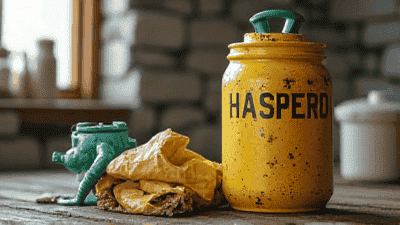
1. Identify and Categorize Hazardous Waste
The first step in safe disposal is identifying hazardous materials in your home. Take time to go through each room and categorize items based on their risk levels. Common categories include:
- Cleaning Products: Inspect your cleaning cabinet for products that contain harmful chemicals, such as bleach, ammonia, and oven cleaners.
- Paints and Solvents: Check for leftover paints, stains, and paint thinners.
- Batteries: Collect used batteries from household devices, ensuring you know their type (alkaline, lithium-ion, etc.).
- Electronics: Look for old or broken electronics that are no longer in use or functioning.
- Medicine: Gather any expired or unused medications.
2. Store Hazardous Waste Properly
Once hazardous waste is identified, proper storage is essential before disposal.
- Use Original Containers: Keep products in their original containers whenever possible, as they typically include important safety information and warnings about contents.
- Seal with Care: Tighten lids and caps to prevent leaks. If a container is damaged, transfer the material to a secure, labeled container.
- Store Out of Reach: Keep hazardous materials out of reach of children and pets—in a cabinet or storage area that is locked or secured.
- Keep Away from Heat or Direct Sunlight: Store hazardous waste in a cool, dry place, away from direct sunlight and heat sources.
3. Know Local Regulations
Familiarizing yourself with local hazardous waste regulations is crucial for responsible disposal. Each municipality may have different rules and resources, so be sure to check:
- Local Guidelines: Visit your local waste management authority’s website for specific regulations regarding hazardous waste disposal. This will often include information on what materials are accepted for curbside pickup and where to drop off hazardous materials.
- Scheduled Collection Programs: Many communities have designated days or events for hazardous waste collection. Find out when these occur and what materials are accepted.
4. Utilize Household Hazardous Waste (HHW) Facilities
Most communities have HHW facilities designed to handle hazardous waste safely. These facilities allow residents to drop off materials that cannot be disposed of through regular waste collection methods.
- Find a Local Facility: Use resources like your city or county waste management website to locate HHW facilities in your area.
- Prepare for Drop-Off: Before heading to the facility, pack your hazardous waste securely in your vehicle. Ensure that containers are upright and well-sealed to prevent spills during transport.
- Follow Instructions: Familiarize yourself with the facility’s guidelines, including hours of operation and accepted materials, to ensure a smooth drop-off process.
5. Participate in Community Collection Events
Many communities organize special collection events for hazardous waste, providing an easy way to dispose of materials responsibly.
- Keep an Eye on Announcements: Monitor local community boards or waste management websites for information on upcoming hazardous waste collection events.
- Plan Ahead: Mark these events on your calendar and prepare your materials for drop-off well in advance.
- Educate Your Neighbors: Encourage friends and family to participate in these events to increase community awareness and participation in proper hazardous waste disposal.
6. Eco-Friendly Alternatives for Hazardous Products
Where possible, consider replacing hazardous household products with eco-friendly alternatives. Many non-toxic options are available for various household tasks.
- Cleaning Products: Use vinegar, baking soda, or lemon juice for effective cleaning. These natural ingredients can replace many commercial cleaning agents without the harmful chemicals.
- Paint: Look for low-VOC (volatile organic compounds) or non-toxic paint options. These products are less harmful to the environment and human health.
- Batteries: Consider using rechargeable batteries instead of single-use batteries, which can contribute to hazardous waste. Rechargeable options produce less waste and are generally more cost-effective over time.
7. Safe Disposal of Electronics
Electronics pose unique challenges concerning disposal. They often contain hazardous materials like lead, mercury, and cadmium.
- E-Waste Recycling Programs: Many electronics manufacturers and retailers offer recycling programs for old devices. Check with brands like Best Buy, Apple, or local electronics stores for e-waste recycling options.
- Community E-Waste Events: Like hazardous waste events, your community may host specific e-waste recycling days. Look for these programs and participate responsibly.
8. Dispose of Medications Responsibly
Proper disposal of medications is critical to ensure safety and avoid environmental damage.
- Drug Take-Back Programs: Many pharmacies and local health departments organize drug take-back programs that allow individuals to return unused or expired medications for safe disposal. Check if similar programs exist in your area.
- Follow FDA Guidelines: If a take-back program is unavailable, the FDA provides guidelines for disposing of medications at home. Most medications can be mixed with an undesirable substance (like coffee grounds or kitty litter) and sealed in a container before being thrown into the trash. Be sure to remove any personal information from prescription bottles.
9. Educate Your Family
An educated family is essential to ensure safe hazardous waste disposal practices. Teach everyone in your household about the hazards of waste and the importance of responsible management.
- Hold Family Discussions: Engage your family in discussions about hazardous materials, recycling, and proper disposal techniques.
- Visual Aids: Create informative posters or charts illustrating what constitutes hazardous waste and how to store and dispose of it. Place these visual aids in commonly used areas of the home.
- Model Behavior: Demonstrate good practices when managing hazardous waste and involve family members in the processes of sorting, storing, and disposing of materials responsibly.
10. Maintain a Regular Check-Up Routine
Establishing a routine check-up can help ensure that hazardous materials are properly managed at home.
- Monthly Reviews: Set aside time each month to review your storage area for hazardous products. Dispose of anything that is expired or no longer needed.
- Inventory Management: Keep a log of hazardous materials in your home, noting their expiration dates and proper disposal methods. This practice will serve as a reminder to manage materials before they become hazardous.
Conclusion
Disposing of hazardous waste safely is a responsibility that every family should take seriously. By understanding what constitutes hazardous waste and following safe disposal practices, families can help protect their health, the environment, and their communities. From identifying and categorizing hazardous materials to using local facilities and participating in recycling events, there are practical steps everyone can take to ensure proper hazardous waste disposal.
Through education, awareness, and proactive measures, families can contribute to a safer and healthier environment for all. As our understanding of environmental issues continues to grow, it is important to prioritize safe disposal practices to create a sustainable future for generations to come. By working together to manage hazardous waste effectively, we can foster a cleaner, safer planet for ourselves, our children, and the world around us.
-
 Trash Disposal
How Recycling Saves You Money: A Deep Dive into Cost-Effective Practices
Recycling is not just a trendy catchphrase; it has become an essential part of our daily lives and routines. Living in a world where waste is generated at an alarming rate, understanding the importance of recycling can help us not only preserve our planet but also save money, especially when it comes to home care related to garbage collection.
-
 Trash Disposal
The Do's and Don'ts of Caring for Your Garbage Disposal: Expert Tips
Garbage disposals are a convenient and essential appliance in many modern kitchens. They help eliminate food waste quickly and efficiently, making kitchen cleanup much more manageable. However, to keep your garbage disposal functioning smoothly and extend its life, it is important to understand the do's and don'ts of care and maintenance. This comprehensive guide will explore expert tips for caring for your garbage disposal, ensuring you avoid common pitfalls and get the most out of this invaluable kitchen device.
-
 Trash Disposal
10 Common Myths About Recycling Debunked: What You Need to Know
Recycling is a crucial component of environmental sustainability and waste management, but misconceptions about the process and its effectiveness can hinder its success. Many individuals want to do their part for the planet but may be misled by myths that prevent them from actively promoting recycling in their households and communities. This article aims to debunk the ten most common myths associated with recycling, providing you with accurate information to empower your recycling efforts.
-
 Trash Disposal
How to Troubleshoot Common Garbage Disposal Problems and Fix Them Fast
Garbage disposals are invaluable tools in modern kitchens, providing a convenient way to dispose of food waste and keep our kitchens clean and odor-free. However, like any appliance, they can encounter problems that can disrupt their functionality. Understanding how to troubleshoot and fix common garbage disposal issues can save you time and money, and ensure that your kitchen runs smoothly. In this comprehensive guide, we will explore the most common garbage disposal problems, their causes, and easy step-by-step solutions to fix them quickly.
-
 Trash Disposal
5 Tips for Managing Household Waste Efficiently
Managing household waste is an essential aspect of maintaining a clean and sustainable home. As awareness of environmental issues grows, more people are looking for ways to reduce their waste footprint and contribute to a healthier planet. Effective waste management not only helps you declutter your space but also promotes recycling, composting, and reducing overall waste.
-
 Trash Disposal
Top 10 Foods You Should Never Dispose of in Your Garbage Disposal
Garbage disposals are an essential part of modern kitchens, simplifying the process of cleaning up after meals by grinding food waste and sending it down the drain. However, not all food items are suited for disposal in these units. Introducing certain foods can lead to clogs, damage to the disposal, or even costly plumbing problems. To help you maintain an efficient and functional garbage disposal, we've compiled a list of the top ten foods you should never dispose of in your garbage disposal.
Hot Posts
-

Best Practices for Disposing of Pet Waste: Keeping Your Home and Community Clean
-

Insurance Premiums Explained: Factors that Affect Your Coverage Cost
-

The Environmental Impact of Food Waste: Why Proper Disposal Matters
-
Top 10 Foods You Should Never Dispose of in Your Garbage Disposal
-

Types of Insurance: Exploring Coverage Options for Different Needs
-
Why Subscription Boxes Are the Future of Retail